
Enterprise architects
A thinking partner to frame, model and arbitrate, without ever losing control of the reasoning.
Aura Architect
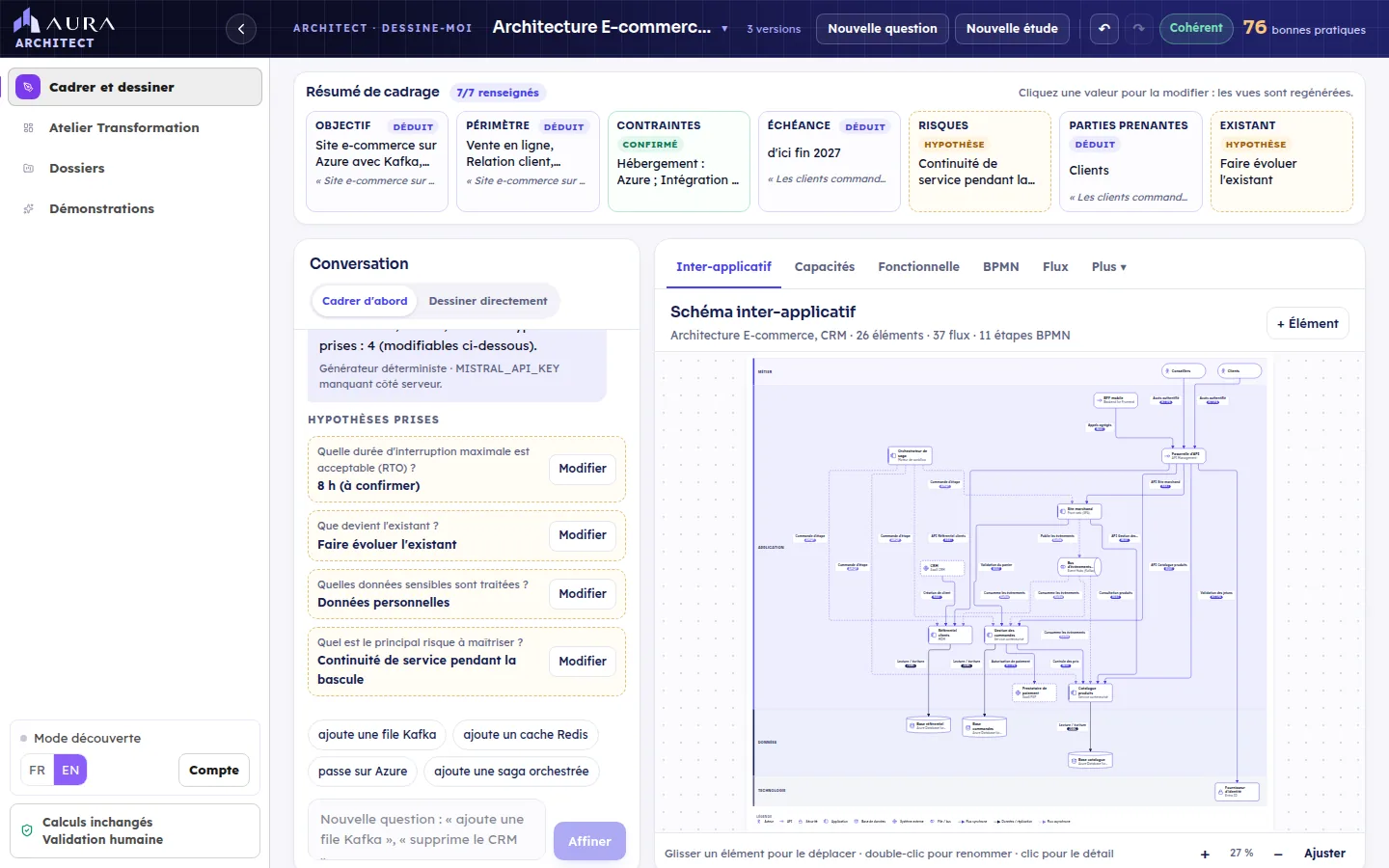
Aura Architect draws on your context, models and principles to frame a request, challenge an option and defend a decision, the way your best architect would, at any hour.
Who it is for
A thinking partner to frame, model and arbitrate, without ever losing control of the reasoning.
Well-argued, traceable decisions you can present to a board, with a clear view of scenarios.
Deliver solid, consistent deliverables faster on every engagement, with your own method.
Use cases
Target, trajectory and roadmap built with you, assumptions made explicit.
A structured file, consistent end to end, ready to be reviewed and defended.
Review preparation, counter-arguments anticipated, decisions on record.
Stakes, PESTEL, actor mapping and messages tailored to each audience.
Data domains, flows and reference data aligned with business usage.
Dependencies, interfaces and change impacts made readable.
Pricing
Indicative launch prices, excl. VAT.
€79 /month
For the independent architect or consultant.
€129 /user/month
For architecture teams.
from €6,000 /year
For group-wide deployments.
€1,500/year
Indicative launch prices, excl. VAT.
The right tool for each function
For each function in your architecture, Aura simply indicates what fits best: automated rules, a supervised language model, or a human decision. Each recommendation is explained and remains editable.

When the expected result is known, stable and verifiable: checks, calculations, thresholds, routing.
Checking that an order stays within authorised limits.
When text of varying form must be read, summarised or drafted, with rules that check the output and a person who reviews it.
Extracting the key points of an incoming letter to prepare its handling.
When the stakes carry accountability, affect people or depend on a trade-off between objectives.
Granting an exception, arbitrating between cost and service.
The recommendation starts from the nature of each function; nothing is applied until you validate it.
Partners
A programme designed for consulting firms that bring Aura Architect into their engagements.
FAQ
Hosting is located in the European Union. Traffic is encrypted and access is limited to the members of your workspace.
No. Your models, documents and conversations remain yours and are never used to train third-party models.
Each advanced interaction uses credits. The Team plan includes 1,000, and packs (5,000 for €49, 25,000 for €199) top up as needed.
Yes. Monthly subscriptions can be cancelled whenever you like at no cost, and you can export your deliverables.
Resources
The approach Aura Architect applies, explained simply, so that you can review it and discuss it.
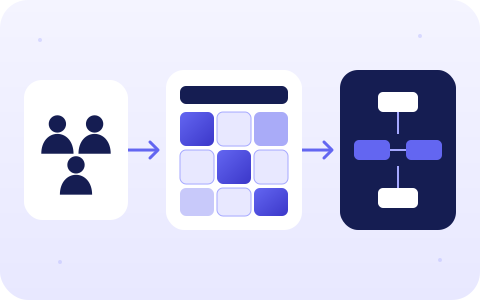
A capability map is only useful if each capability can say who it serves and why. Starting from stakeholders keeps it honest.
ReadNot every function needs the same kind of tool. Choosing well starts with asking what the function really requires.
Read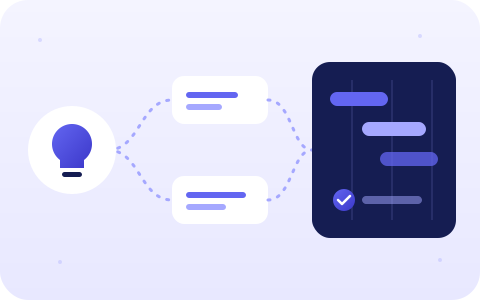
An idea can look excellent on its own and still disrupt the rest of the system. Test it on the whole model before committing budget and teams.
Read